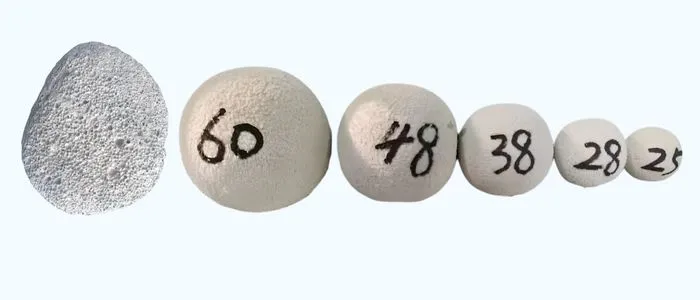
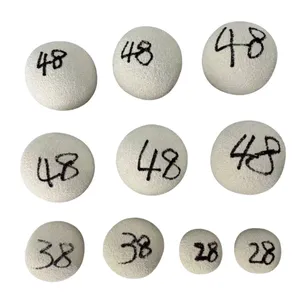
Latex Rubber Bladders for Denim Scraping
Denim scraping has become a cornerstone of modern jeans manufacturing, as consumers continue to demand the authentic, worn-in aesthetic that only well-executed scraping can deliver—from subtle, lived-in distressing to bold, vintage textures that stand out on store shelves. For denim factory owners and production managers, the right tools make all the difference between consistent, high-quality output and costly, time-wasting mistakes. Latex rubber bladders for denim scraping are more than just industrial components; they’re the unsung heroes of reliable scraping results, keeping production lines moving smoothly and ensuring every batch meets the strict quality standards your customers expect. Unlike generic rubber bladders, those crafted from high-grade natural latex are engineered to withstand the harsh conditions of denim scraping—constant friction, contact with mild abrasives, and exposure to post-scraping cleaning agents. This guide draws on decades of combined experience from denim industry professionals to cover everything you need to know about latex rubber bladders for denim scraping: how they function, why they outperform other materials, the most common issues you’ll encounter, and how to maximize their lifespan to cut costs and boost efficiency.
What Are Latex Rubber Bladders for Denim Scraping, and How Do They Work?
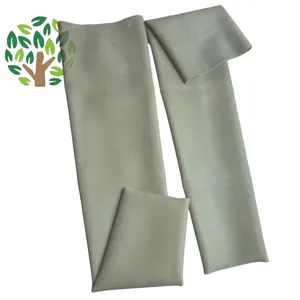
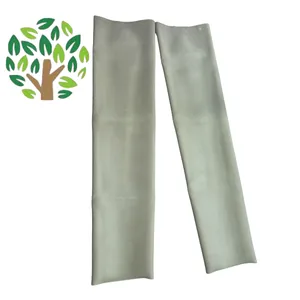
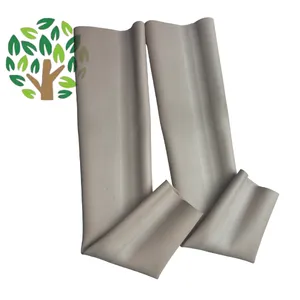
To understand their value, start with the basics: latex rubber bladders for denim scraping are flexible, inflatable components made specifically to fit inside jeans legs or panels during the scraping process. Think of them as a soft, supportive buffer that holds denim taut while scrapers, sandpaper, or abrasive rollers work their magic. Without a latex bladder, denim fabric bunches up, leading to uneven scraping, missed spots, or even irreversible fabric damage—issues that can ruin entire batches and eat into your profits. The natural elasticity of latex allows the bladder to inflate to the perfect tightness: enough to keep the denim smooth and flat, but not so tight that it stretches or distorts the fabric’s original shape. This delicate balance is what creates the consistent, professional worn look that sets high-quality denim apart from the competition.
Top-tier latex rubber bladders or latex rubber tubes are made from high-purity natural latex, often blended with small amounts of high-fineness latex reclaimed rubber. This blend is a industry-proven trick to enhance durability without sacrificing the elasticity that makes latex ideal for denim scraping—helping you keep costs in check while maintaining the quality your customers demand. The production process includes precise vulcanization, which creates a dense, flexible surface that resists tearing and abrasion even after hundreds of uses. When inflated, these bladders conform seamlessly to the shape of jeans, ensuring every inch of fabric receives equal pressure during scraping. This eliminates the frustration of uneven distressing and reduces the risk of botched batches, saving you time and money in the long run.
Why Latex Rubber Bladders Outperform Other Materials for Denim Scraping
Many denim factories have experimented with different rubber materials—from butyl to nitrile—but latex rubber bladders consistently rise to the top for three key reasons that directly impact your bottom line: unmatched elasticity, superior abrasion resistance, and gentle compatibility with denim fabrics. These advantages aren’t just theoretical; they’re proven in real-world production settings, where reliability and consistency are non-negotiable.
First, elasticity. Latex boasts a natural stretch that no other rubber material can match—up to 700% elongation—meaning it can inflate to fit a wide range of jean sizes, from skinny to bootcut, without losing its shape or breaking. This versatility eliminates the need to stock multiple bladder sizes, saving you valuable storage space and reducing inventory costs. Unlike stiffer materials like butyl rubber, latex conforms to the natural curves of denim, ensuring there are no tight spots or loose areas during scraping. This translates to smoother, more uniform results with every batch.
Second, abrasion resistance. Denim scraping is a high-friction process, with constant contact between the bladder, denim fabric, and scraping tools. Low-quality rubber bladders wear out quickly, developing holes or tears after just a few uses—leading to frequent replacements and costly downtime. Latex, especially when blended with high-quality reclaimed rubber, stands up to this friction, lasting 2-3 times longer than ordinary rubber bladders. This durability means fewer replacements, less production interruptions, and lower long-term costs for your factory.
Third, compatibility with denim fabrics. Latex is inherently gentle on denim, even the most delicate raw denim. It won’t scratch or leave unsightly marks on the fabric, which is critical for maintaining the denim’s integrity and achieving that natural, worn-in look consumers love. Synthetic rubber materials, by contrast, often leave residue or damage the fabric’s surface, ruining the final product and wasting valuable materials. Additionally, latex is resistant to the mild detergents and water used in post-scraping cleaning, so it won’t degrade, become sticky, or lose its elasticity over time.
Common Issues with Latex Rubber Bladders for Denim Scraping (and Easy Fixes)
Even the best latex rubber bladders will run into issues when used day in and day out in a busy denim factory. We’ve spoken with dozens of production managers to identify the most common problems they face, along with simple, on-the-spot fixes that require no professional maintenance. These solutions are tested in real production environments, so you can trust them to get your line back up and running quickly.
- Bladder Deflation During Scraping
This is the most frustrating issue for denim factories. You inflate the bladder, insert it into the jeans, and halfway through the scraping process, it starts to deflate. This causes the denim to lose tension, resulting in uneven distressing, patchy results, and wasted time. The most common causes are small pinholes from friction, a damaged valve, or improper inflation technique—mistakes that are easy to fix with a little know-how.
Fix: Start by locating the leak. Wipe the inflated bladder with a damp cloth; bubbles will form wherever air is escaping. For small pinholes or tiny cracks, use a latex-specific repair glue (available at any industrial supply store). Apply a thin layer, let it dry for 1-2 hours, and the bladder will be ready to use again. If the valve is leaking—a common culprit—simply replace it. Most latex rubber bladders for denim scraping come with detachable valves that are easy to swap out, no special tools required. Finally, stop over-inflating. Over-inflation stretches the latex, creating weak spots that tear or leak over time. Stick to the recommended pressure: 0.2-0.4MPa. This pressure is enough to keep the denim taut without straining the bladder.
- Latex Hardening or Brittleness
After a few weeks of regular use, some latex bladders start to harden, become brittle, or even crack when inflated. This usually happens due to improper storage or exposure to extreme temperatures. Cold workshops make latex stiff and prone to cracking, while direct sunlight or high heat breaks down the latex material over time. We’ve seen factories lose dozens of bladders simply because they stored them near heaters or in unheated warehouses during winter—avoidable mistakes that cost time and money.
Fix: If the bladder is slightly hard, warm it up with a hair dryer on low heat for 5-10 minutes to soften the latex—this works perfectly for minor brittleness. If the bladder is cracked or too brittle to use safely, replace it with a high-quality latex bladder blended with latex reclaimed rubber. This blend adds durability and cold resistance, making it ideal for harsh workshop conditions. For storage, keep bladders in a dry, room-temperature area—away from heaters, air conditioners, and direct sunlight. If your workshop is consistently cold (below 10℃), preheat the bladders for 10 minutes before use to prevent brittleness and cracking.
- Sticking to Denim Fabric
Occasionally, latex bladders stick to denim after scraping, especially if the fabric is damp or has residual detergent. This can tear the denim or leave latex residue on the fabric—both of which ruin the final product and create extra work for your team.
Fix: After scraping, deflate the bladder slightly before removing it from the jeans. This releases tension and prevents the latex from sticking to the fabric. If the bladder is already stuck, gently pull it while pressing the denim against the bladder—never yank it, as this will tear the fabric. To prevent sticking long-term, wipe the bladder with a dry cloth after each use to remove any detergent residue or moisture. You can also apply a thin layer of talcum powder to the bladder’s surface. This creates a barrier between the latex and denim, without affecting the scraping process or the final look of the jeans.
How to Choose the Right Latex Rubber Bladder for Denim Scraping
Not all latex rubber bladders are created equal. Choose the wrong one, and you’ll end up with frequent replacements, poor-quality results, and wasted time. Based on feedback from top denim factories, here’s what to look for when buying latex rubber bladders for denim scraping:
- Latex Quality: Opt for 100% natural latex blended with high-fineness, impurity-free latex reclaimed rubber. This blend balances elasticity and durability—cheaper bladders use low-quality synthetic latex, which wears out quickly and can damage denim. Always ask your supplier for a sample to test: stretch it, inflate it, and check for thin spots or uneven thickness. A high-quality latex bladder will stretch easily and maintain its shape.
- Thickness: For most denim scraping applications, a thickness of 0.8-1.2mm is ideal. Thinner bladders are more flexible but tear easily; thicker bladders are durable but less flexible, leading to uneven scraping. If you’re doing heavy scraping (for bold, distressed looks), choose 1.0-1.2mm. For light scraping (subtle, lived-in distressing), 0.8-1.0mm works best.
- Size Versatility: Choose bladders that can inflate to fit multiple jean sizes. This saves you from stocking dozens of different sizes and reduces inventory costs. Look for bladders with a stretch range of 50-100%—meaning they can double in size when inflated—which works for most standard jean legs.
- Valve Quality: A high-quality valve is just as important as the latex itself. Look for detachable, leak-proof valves made of brass or high-grade plastic. These are easier to replace and less likely to leak than cheap, non-detachable valves. Test the valve before buying: inflate the bladder and let it sit for 24 hours. If it loses more than 5% of its air, the valve is faulty—keep looking for a better supplier.
Tips to Extend the Life of Your Latex Rubber Bladders
Maximizing the lifespan of your latex rubber bladders doesn’t require extra work—it just takes a few simple habits that your team can adopt easily. These tips come from denim factories that have cut their bladder replacement costs by 30% or more, helping them boost efficiency and reduce waste:
- Clean the bladder after every use: Wipe it down with a dry cloth to remove denim fibers, abrasive dust, and detergent residue. This prevents buildup that can wear down the latex over time and cause premature damage.
- Avoid over-inflation: Stick to the recommended pressure (0.2-0.4MPa). Over-inflation is the number one cause of bladder damage, as it stretches the latex and creates weak spots that tear or leak.
- Store properly: Keep bladders in a dry, cool area, away from heat, cold, and sharp objects. Never stack heavy items on top of them, as this can cause permanent damage to the latex.
- Rotate bladders: Don’t use the same bladder for every batch. Rotate between 2-3 bladders to give each one time to “rest” and recover its elasticity. This reduces wear and tear from constant use and extends the overall lifespan of your bladders.
Final Thoughts
Latex rubber bladders for denim scraping are a small but critical part of your denim production line. They may not be the most glamorous tool in your factory, but they’re the difference between consistent, high-quality scraped denim and batches that get thrown away. By choosing the right latex bladder, fixing common issues quickly, and following simple maintenance habits, you’ll save time, reduce costs, and keep your customers coming back for that perfect, worn-in look they love. Remember: when it comes to latex rubber bladders for denim scraping, you get what you pay for. Investing in high-quality, natural latex bladders blended with reclaimed rubber will pay off in the long run—with fewer replacements, better results, and a more efficient production line.
Contact us for a quote at: info@tagpin.net
Contact us for samples at: 86 159 8958 8912