In modern apparel accessories, electronic labeling, and light industrial manufacturing, Tag Pins and Loop Pins may seem small, but they are critical components that directly impact product packaging quality and automated production efficiency. With the surging global demand for high-quality accessories, manufacturers are placing stricter requirements on the lifespan, precision, and capacity of Precision Tooling.
How do you maintain “flash-free and burr-free” products during high-volume production? How do you achieve perfect melt filling in micro-cavities for multi-cavity structures? This article combines technical insights from industry leader TOSCCO to provide a deep dive into the core technical indicators and selection guides for precision tag pin injection moulds.
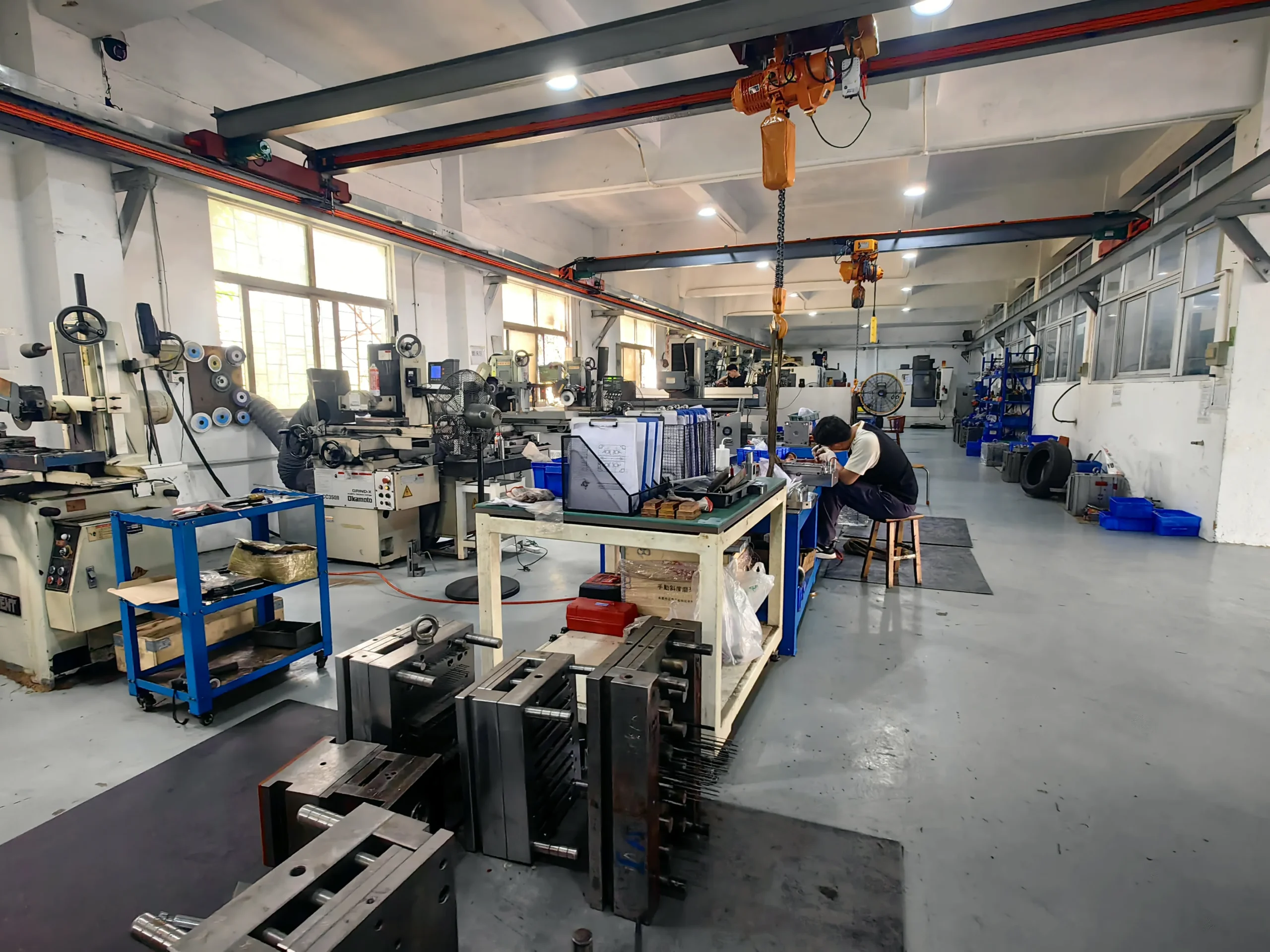
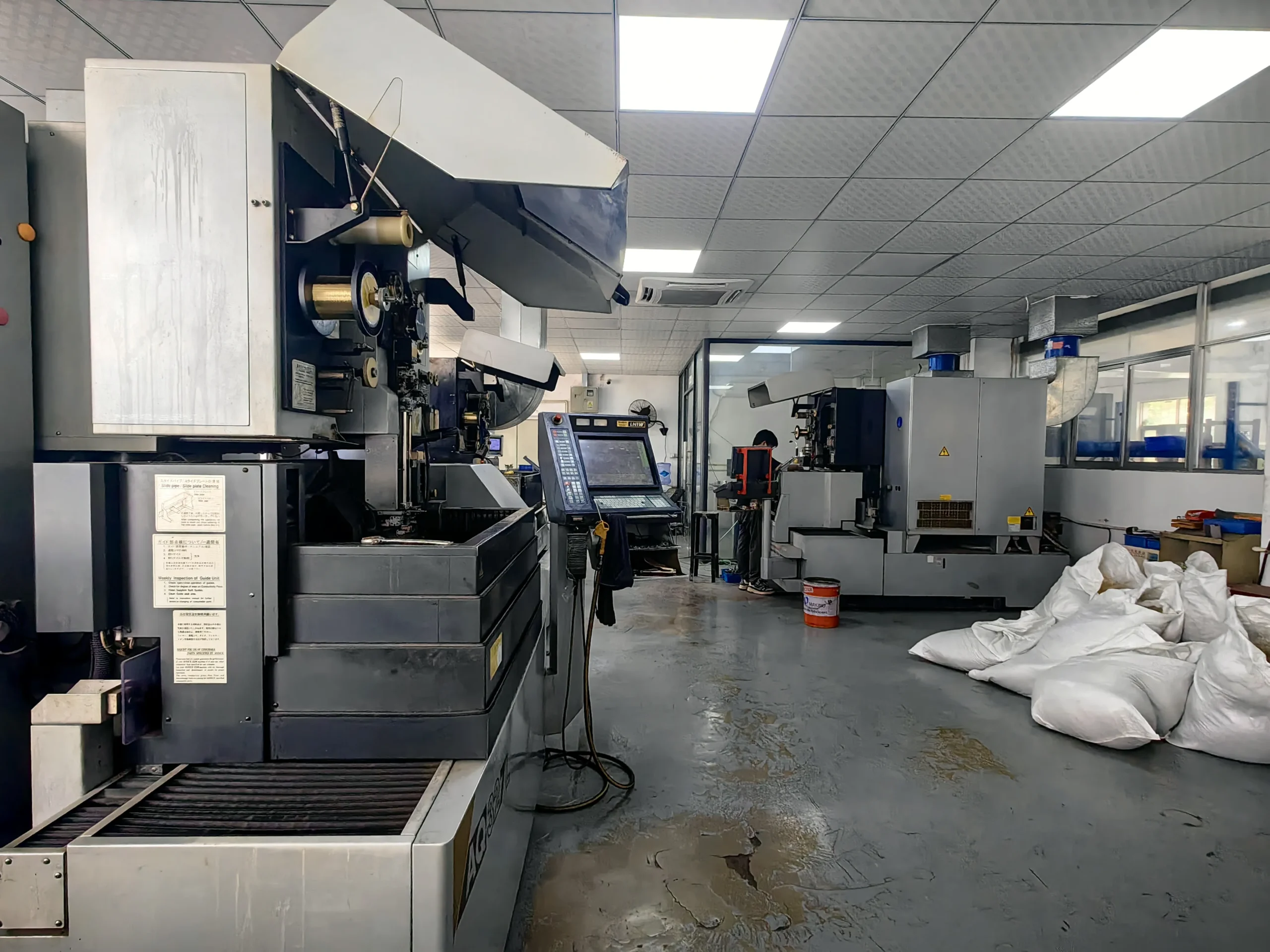
tag pin mould factory picture
1. Technical Barriers in Precision Injection Molding: Why Does Your Mould Cause Flashing?
In high-speed, mass production of tag pins, flashing (flash) and burrs are notorious pain points. Not only do they compromise the appearance of the accessories, but they also cause jams in automated tagging guns. To eliminate this issue, tooling must achieve a dual breakthrough in both processing equipment and core materials:
Top-Tier Processing Equipment Lays the Foundation for Precision
High-quality tag pin moulds must be processed using precision mirror EDM machines, imported slow-feed wire EDM cutting, and Coordinate Measuring Machines (CMM). Machining tolerances must be controlled at the micron level to ensure seamless clamping after millions of high-frequency cycles.
High-Hardness, Impact-Resistant Alloy Steel
The quality of the core material dictates the mould’s lifespan. TOSCCO utilizes premium imported steels such as ASSAB S136 (Sweden) and DIN 2344 (Germany). These high-grade steels offer exceptional wear resistance, corrosion resistance, and high hardness, easily withstanding high-frequency clamping cycles.
Key Data: Premium precision injection moulds can achieve a tool life of > 2,000,000 clamping cycles, guaranteeing flash-free and burr-free production throughout, which drastically cuts down maintenance costs for enterprises.
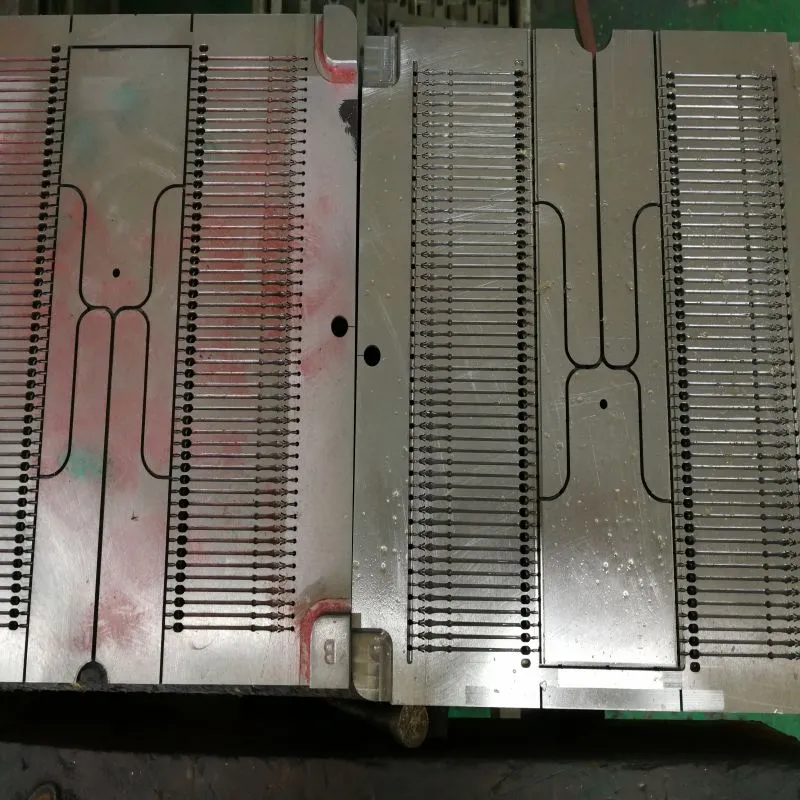
loop pin mould in process
2. TOSCCO Standard & Fine Tag Pin Mould: The Top Choice for High-Volume, High-Speed Injection Molding
For tag pin manufacturers pursuing ultra-fast injection cycle times and multi-cavity structures, the TOSCCO Professional Runner-Layout Tag Pin Mould delivers a highly mature, fine hot runner solution.
Precision Flow Control & Micro-Cavity Filling
The body of a tag pin—especially a fine tag pin—is extremely slender, requiring excellent fluidity from the molten plastic. This series features a fine hot runner / multi-cavity structure, leveraging precise runner temperature control. This ensures that the raw polymer fills the micro-cavities smoothly and perfectly, completely avoiding short shots, voids, or pin breakage caused by insufficient filling.
Specification Coverage & Core Advantages
Standard Tag Pin Mould Span: 15mm to 230mm, meeting the vast majority of conventional apparel ticketing needs.
Fine Tag Pin Mould Span: 5mm to 75mm, custom-engineered for delicate fabric accessories like high-end silks, lingerie, and intimate apparel.
Mirror-Finish Polishing: The tool surface undergoes mirror-grade polishing, paired with a multi-stage ejection mechanism. This drastically reduces plastic residue and unscheduled downtime caused by part sticking, significantly boosting Overall Equipment Effectiveness (OEE).
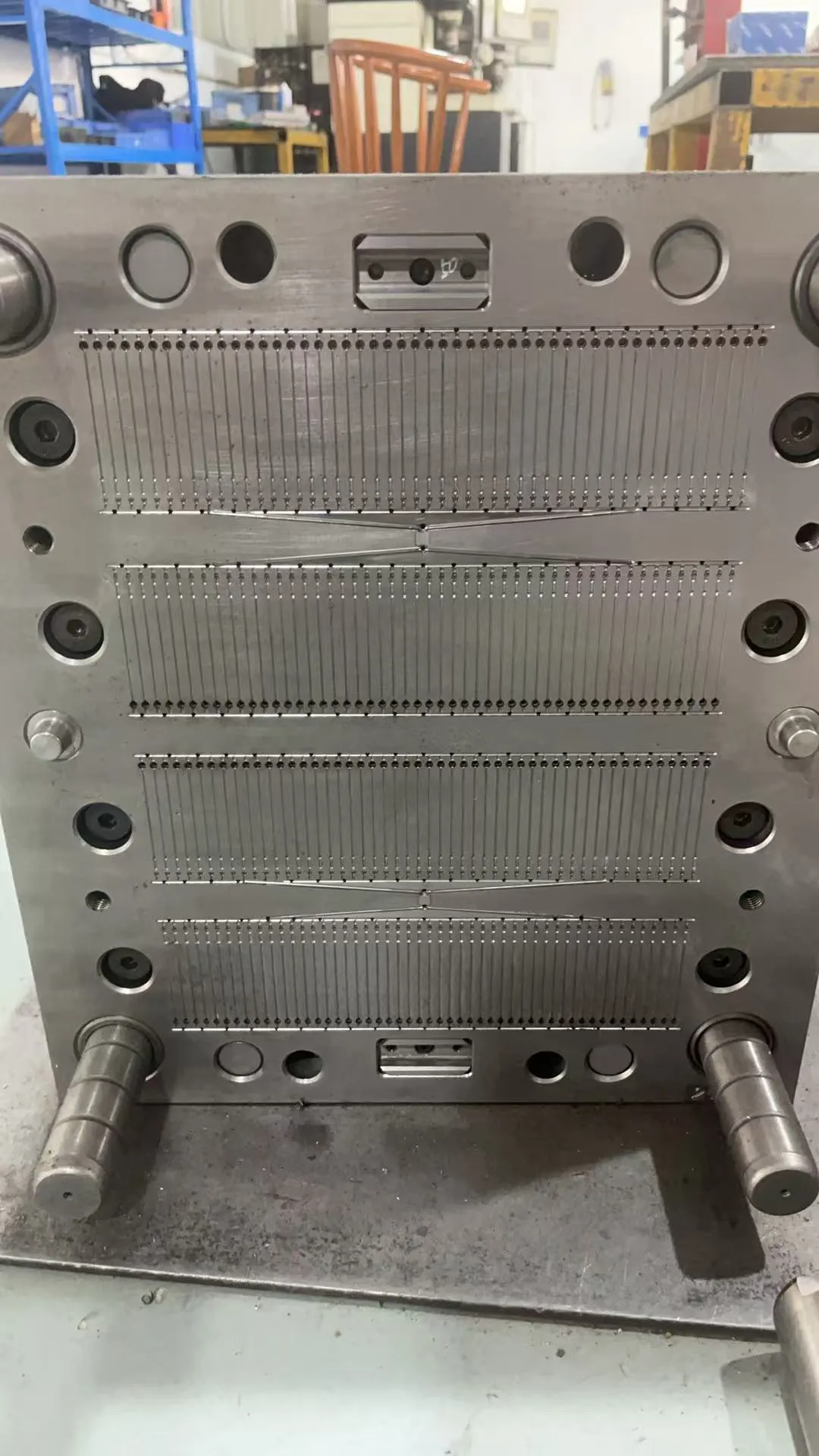
loop pin mould
3. TOSCCO Loop Pin Tooling: The Secret to Eliminating Tensile Snapping
Loop pins are widely used in shoes, hats, luggage, and toys where tagging guns cannot be applied. Because their structure includes a self-locking mechanism and the filaments are even more slender, they present entirely different tooling design challenges.
Self-Locking Loop Pin Cold Runner Tooling Design
Engineered specifically for multi-cavity hand-lock loop pins, this precision molding process ensures that slender, flexible polymers form inside the line grooves without bubbles, achieving ultra-high density. This factor directly determines the tensile strength of the loop pin.
Ultra-High Industrial Limit Precision
The cavity layouts for loop pin tooling support high-productivity multi-cavity configurations such as 1×24 and 1×48. Even under such high-density layouts, TOSCCO maintains tool precision within a $\pm0.005\text{ mm}$ ultra-high industrial limit. For the delivery system, customers can flexibly choose between cold runner or precision hot runner control systems based on specific production demands.
Technical Highlight: This tooling incorporates a unique venting slot design. By optimizing gas venting, it completely eliminates internal stress concentration caused by trapped air. This prevents loop pins from snapping in the middle during tensile testing, ensuring maximum toughness of the final product.
4. Quick Comparison: Tag Pin Mould vs. Loop Pin Tooling Selection Guide
Technical Indicator
TOSCCO Standard & Fine Tag Pin Mould
TOSCCO Loop Pin Tooling
Primary Application
Standard/Fine apparel tag pins, high-end silk fasteners
Shoes, hats, luggage, self-locking loop fasteners
Size Range
Standard: 15–230mm; Fine: 5–75mm
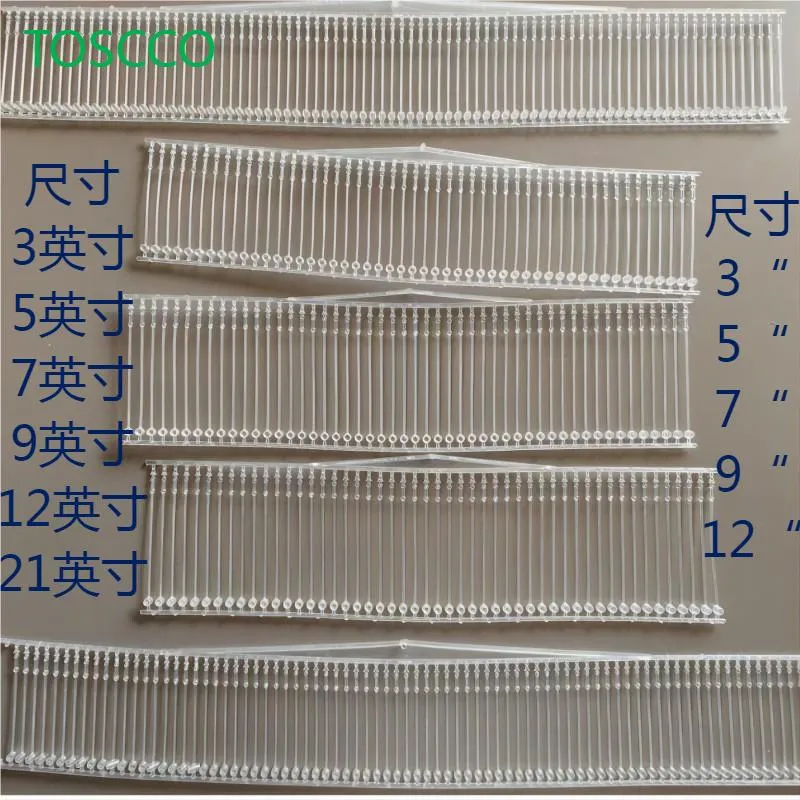
3″, 5″, 7″, 9″ up to 21″ Loop pins
Core Material / Precision
Sweden ASSAB S136 / Germany DIN 2344 Steel
Up to $\pm0.005\text{ mm}$ ultra-high limit precision
Runner System
Fine Hot Runner / Multi-Cavity Structure
Cold Runner / Precision Hot Runner System
Mould Lifespan
> 2,000,000 cycles (Guaranteed flash-free)
High-productivity multi-cavity (1×24, 1×48, etc.)
Core Process Feature
Mirror-finish polishing + multi-stage ejection
Unique venting design to prevent tensile snapping
Loop pin fastener
5. Conclusion: Choosing Premium Tooling is the Ultimate Solution for ROI
In today’s fiercely competitive plastic processing market, the initial tooling procurement cost is important, but the indirect costs—such as downtime for flash repairs, high scrap rates, and short tool lifespans—are often far more expensive.
Investing in the TOSCCO Precision Injection Mould Series—built with high-end imported steels (S136/2344), $\pm0.005\text{ mm}$ limit precision control, and a lifespan exceeding 2 million cycles—is more than a commitment to quality. It is a powerful catalyst for high yield, low consumption, and automated manufacturing upgrades.
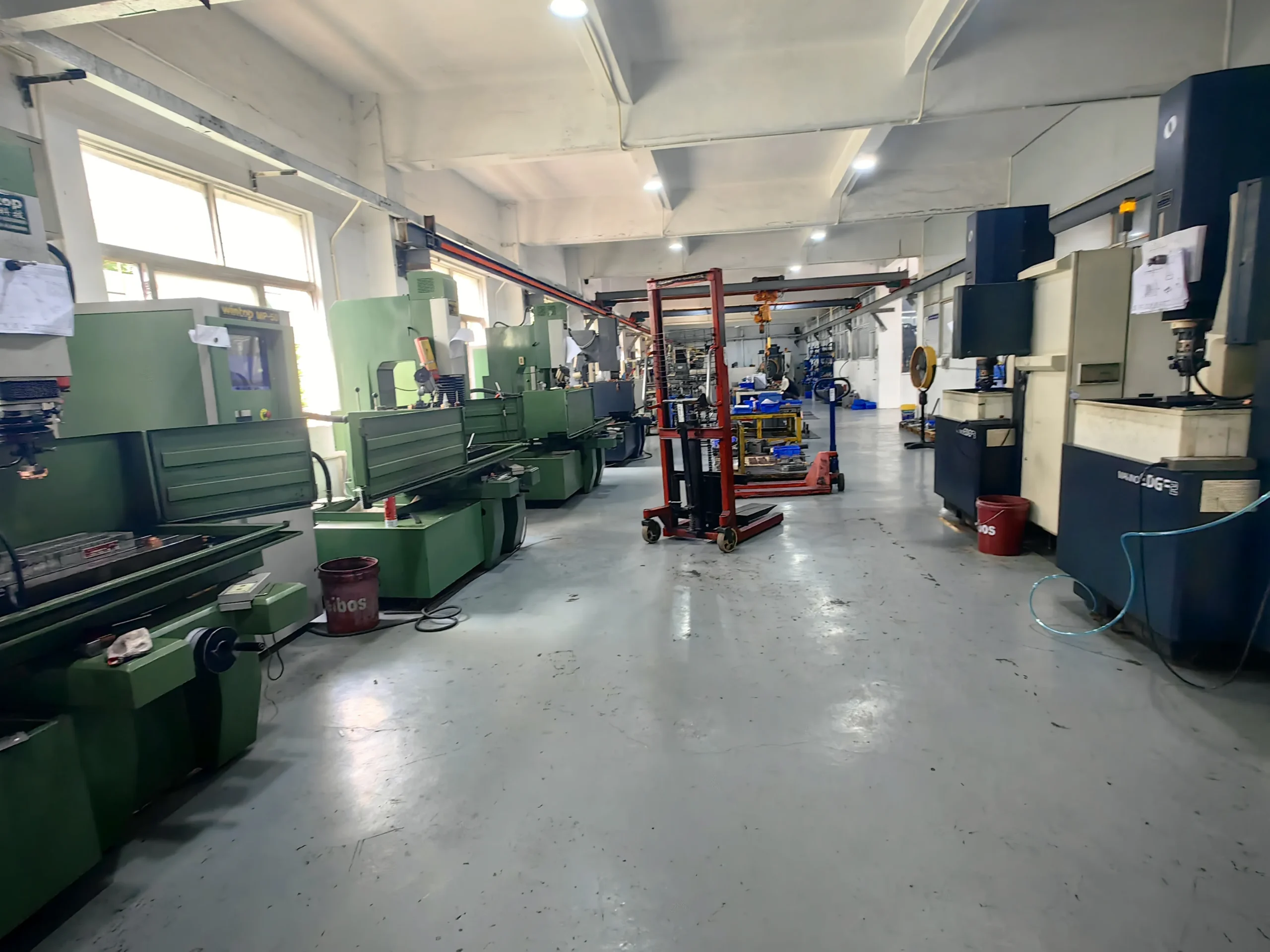
tag pin mould workshop
6. FAQ: Frequently Asked Questions About Precision Tag Pin & Loop Pin Tooling
Q1: What is the most common cause of flashing in tag pin injection molding?
A: Flashing is usually caused by insufficient mold clamping force, worn-out core steel, or poor machining tolerances. Using high-grade steels like S136 or 2344 and processing the tool with mirror EDM/slow-feed wire cutting ensures the mold halves mate flawlessly under high pressure, preventing polymer leakage.
Q2: Why do loop pins easily snap in the middle during tensile testing, and how can tooling fix this?
A: Snapping is typically caused by trapped air (gas entrapment) or internal stress concentrations within the slender filament during injection. Advanced tooling solves this by integrating a custom venting slot design and optimizing the runner system to ensure high-density, bubble-free polymer filling.
Q3: How does hot runner selection benefit multi-cavity tag pin molds?
A: For high-density layouts (like 1×24 or 1×48), a precision hot runner system ensures balanced thermal distribution and uniform pressure across all cavities. This enables smooth filling of micro-cavities, eliminates runner waste, shortens cycle times, and prevents short shots in fine tag pins.
Q4: Why is S136 steel preferred over standard mold steel for fastener tooling?
A: Tag pins and loop pins require millions of high-speed cycles. Sweden ASSAB S136 is a premium mirror-grade corrosion-resistant plastic mold steel. It offers superior wear resistance, holds high-precision dimensions over time, and delivers a tool life exceeding 2,000,000 cycles without deformation.