Introduction
In today’s denim manufacturing industry, achieving a consistent vintage appearance while controlling cost and improving efficiency has become increasingly important. Traditional stone washing using pumice stones has been widely adopted for decades, but it also introduces significant operational challenges.
With rising labor costs, stricter environmental regulations, and increasing machine maintenance expenses, many denim factories are actively searching for better alternatives.
Denim washing balls have emerged as a modern solution, offering improved durability, cleaner production, and more predictable results.
This guide provides a complete technical and commercial comparison between washing balls and pumice stones, including cost analysis, washing performance, machine impact, and real production parameters used in denim factories.
What Is Stone Washing in Denim Production?
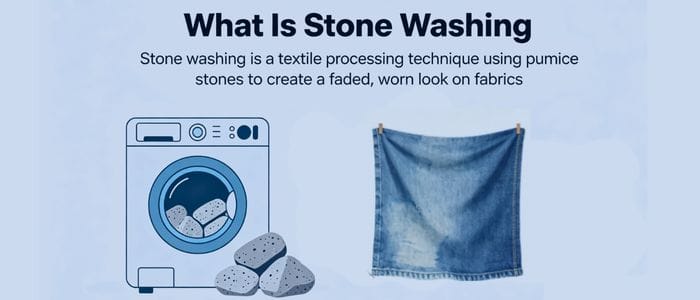
Stone washing is a garment finishing process used to create a faded, worn, or distressed appearance on denim.
Basic Process:
- Load denim garments into industrial washing machine
- Add abrasive materials (traditionally pumice stone)
- Add water and chemicals (enzymes if required)
- Run washing cycle (typically 30–90 minutes)
- Rinse and dry
👉 The abrasion removes indigo dye from the surface, creating the desired effect.
Technical Parameters in Stone Washing
In real factory operations, typical parameters include:
- Washing ratio: 0.5:1 – 3:1 (stone/garment weight)
- Temperature: 40°C – 60°C
- Time: 30 – 90 minutes
- Machine speed: adjusted based on fabric type
👉 These parameters directly impact:
- Washing effect
- Fabric damage
- Production efficiency
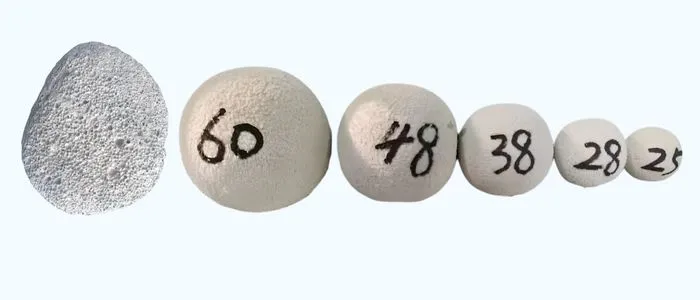
What Is Pumice Stone?
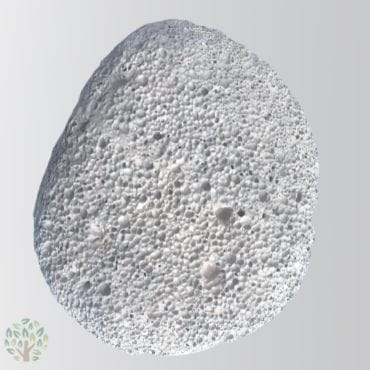
Pumice stone is a natural volcanic rock with a rough, porous surface. It is widely used to create strong abrasion in denim washing.
Major Problems with Pumice Stone
1. Extremely Low Reusability
- Only 1–2 washing cycles
- Rapid breakdown during use
👉 Leads to continuous purchasing and high long-term cost.
2. Dust and Sludge Pollution
During washing:
- Stones disintegrate into powder
- Residue accumulates in machines and wastewater
👉 Results in:
- Dirty factory environment
- Increased cleaning cost
- Environmental compliance pressure
3. Severe Machine Damage
Pumice stones:
- Have irregular shapes
- Create uncontrolled friction
👉 Causes:
- Drum scratches
- Internal wear
- Increased maintenance
4. Fabric Damage Risk
Excessive abrasion can:
- Reduce fabric strength
- Cause uneven fading
5. High Labor Cost
Requires:
- Manual loading/unloading
- Frequent cleaning
👉 Reduces overall production efficiency.
What Are Denim Washing Balls?
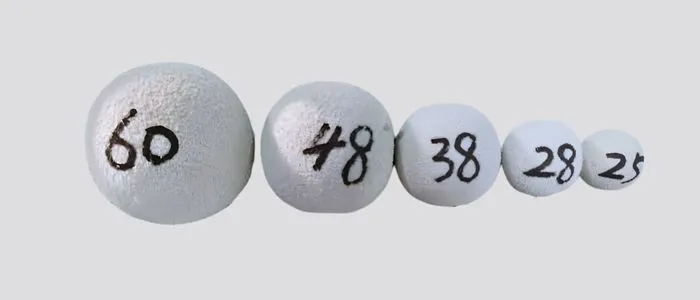
Denim washing balls are engineered plastic balls produced through injection molding. They are designed to provide controlled abrasion during the washing process.
Unlike pumice stones, they are:
- Reusable
- Uniform in shape
- Designed for industrial consistency
Key Advantages of Washing Balls
1. High Reusability
👉 Real production data:
- 50–80 washing cycles under normal conditions
👉 This alone significantly reduces material cost.
2. Lower Total Cost
Factories typically achieve:
👉 20%–30% cost reduction compared to pumice stones
Savings come from:
- Less material consumption
- Reduced machine maintenance
- Lower labor requirements
3. Clean Production Process
- No dust
- No residue
- No sludge buildup
👉 Improves working environment and reduces cleaning time.
4. Reduced Machine Damage
- Smooth surface
- Controlled friction
👉 Benefits:
- Longer machine lifespan
- Lower maintenance cost
- Reduced downtime
5. Consistent Washing Results
- Uniform size and structure
- Predictable abrasion
👉 Ensures stable product quality.
6. Environmentally Friendly
Reusable materials reduce waste and help meet sustainability standards.
Cost Comparison (Real Factory Perspective)
| Factor | Washing Balls | Pumice Stone |
|---|---|---|
| Reusability | 50–80 cycles | 1–2 cycles |
| Material Cost | Lower long-term | Continuous purchase |
| Dust | None | High |
| Machine Damage | Low | High |
| Labor Cost | Lower | Higher |
| Environmental Impact | Low | High |
👉 Conclusion: Washing balls provide superior long-term economic value.
Machine Damage Analysis (Critical Factor)
Pumice Stone Impact
- Hard edges + irregular structure
- Direct impact on the drum surface
👉 Leads to:
- Frequent maintenance
- Higher repair cost
Washing Ball Advantage
- Engineered smooth surface
- Controlled abrasion
👉 Results in:
- Reduced wear
- Stable operation
Washing Effect Comparison
Pumice Stone
✔ Strong abrasion
❌ Unstable results
Washing Balls
✔ Controlled abrasion
✔ Repeatable results
✔ Adjustable process
👉 With correct parameters, washing balls can achieve equal or better visual effects.
How to Choose the Right Washing Ball Size
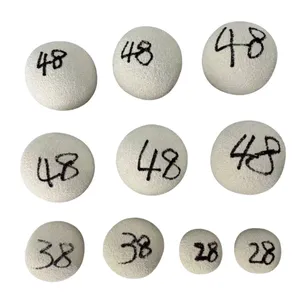
🔹 18mm / 28mm
- Light washing
- Soft finishing
🔹 38mm (Most Popular)
- Standard denim washing
- Balanced effect
🔹 48mm
- Heavy washing
- Strong abrasion
Professional Tips
- Mix sizes for optimized results
- Adjust washing time
- Test samples before production
Process Optimization Using Washing Balls
To achieve the best results:
- Adjust ball-to-garment ratio
- Control washing time
- Combine with enzyme washing if needed
- Optimize machine speed
👉 Proper optimization improves both quality and efficiency.
Can Washing Balls Fully Replace Pumice Stones?
Yes, in most modern production environments.
Many factories here in China have already transitioned to 100% washing ball usage.
Some may still combine both for special finishes.
Real Application in Denim Factories
Washing balls are widely used in:
- Denim garment factories
- Textile finishing plants
- Industrial laundry operations
👉 Especially popular in:
- India
- Bangladesh
- Pakistan
- Turkey
- Vietnam
- Cambodia
These countries are the world’s largest producers of jeans and denim garments. They rely heavily on washing balls for stone washing, softening, and distressing jeans efficiently in large-scale laundry factories.
Our Manufacturing Strength
As a direct manufacturer with 18+ years of experience in plastic injection molding, we provide:
- High-quality washing balls
- Custom mold design
- OEM production
- Stable supply
👉 We not only supply products, but also support customers with process optimization.
FAQ
Q1: How many times can washing balls be reused?
A: Typically 50–80 cycles depending on usage.
Q2: Do washing balls damage machines?
A: No, they reduce machine wear compared to pumice stones.
Q3: Can they fully replace pumice stones?
A: Yes, in most applications.
Q4: Which size should I choose?
A: 48mm is the most commonly used, but it depends on washing requirements.
Conclusion
Denim washing balls represent a modern upgrade in denim finishing.
They help manufacturers:
- Reduce cost
- Improve efficiency
- Protect machinery
- Achieve consistent results
👉 In today’s competitive market, switching to washing balls is not only a technical improvement but also a strategic decision.
Contact Us for Samples & Quotation
Looking for a reliable washing ball supplier?
We offer:
- 18mm / 28mm / 38mm / 48mm / 60mm
- Stable quality
- OEM & custom solutions
📩 Contact us today
👉 WhatsApp / Email available: +86 159 8958 8912 / info@tag-pin.net
| Categories of Washing Balls | |||
| By Material: | By Shape: | By Function: | |
| Rubber Washing Balls | Round Washing Balls | Softening Washing Balls | |
| Cotton Washing Balls | Cube-Shaped Washing Balls | Abrasion Washing Balls | |
| Foam Washing Balls | Spiky Washing Balls | Dyeing Washing Balls | |
| Plastic Washing Balls | Irregularly Shaped Washing Balls | Clean Washing Balls | |
| Elastic Washing Balls | Special Effects Washing Balls (e.g., Snowflake, Cloud, or Faded Effects) | ||
| By Application: | By Surface Design: | By Hardness: | By Special Features: |
| Garment Washing Washing Balls | Smooth Washing Balls | Soft Washing Balls | Acid-Resistant Washing Balls |
| Leather Processing Washing Balls | Textured Washing Balls | Medium-Hard Washing Balls | Cold Wind Softening Washing Balls |
| Industrial Washing Washing Balls | Spiked Washing Balls | Hard Washing Balls | |